Siding Repair or Siding Replacement? How Fayetteville Homeowners Can Tell
How to tell whether damaged siding needs a targeted repair or a full replacement, and what a hands-on inspection looks for behind the panels.
A cracked panel or a water stain on an interior wall raises the same question for most homeowners: can the siding be repaired, or is it time to replace it? The answer depends less on how the outside of the house looks and more on what is happening behind the panels. Here is how the Omega Exteriors team approaches that decision for homes across Fayetteville and the Sandhills.
Why Siding Takes a Beating Here
Fayetteville's heavy summer rain, high humidity and the occasional coastal storm remnant put real stress on exterior siding. Small cracks or gaps let moisture behind the panels, and that moisture leads to rot, mold and higher energy bills long before most homeowners notice anything. Because the damage often starts where you cannot see it, the condition of the wall behind the siding is usually what decides between a repair and a replacement.
When a Repair Is Usually Enough
Small, isolated problems usually call for a targeted siding repair. Common examples include:
- A few cracked, warped or buckled panels along a wall or corner
- Loose sections or visible gaps that shift in the wind
- Small holes or pest damage around the eaves or lower sections
- Fading, staining or mold on a limited area of the panels
We repair both vinyl siding and James Hardie fiber cement siding, matching the color, texture and profile so the repaired section blends in rather than standing out as a patch.
When Replacement Makes More Sense
A repair will not hold when the damage is widespread. These signs usually point toward a full siding replacement:
- Warping, cracking or bubbling across large sections of the exterior
- Soft or discolored drywall near exterior walls, a sign moisture has gotten in
- Rising energy bills tied to poor insulation behind old siding
- Siding that no longer holds a finish, so it needs frequent repainting
- Rot, gaps or pest damage at seams and corners in several places
- Siding that has reached the end of its expected lifespan, often 20 to 30 years for vinyl
If your home shows several of these signs at once, new siding is often more cost-effective over time than a string of repeated repairs.
What We Check During an Inspection
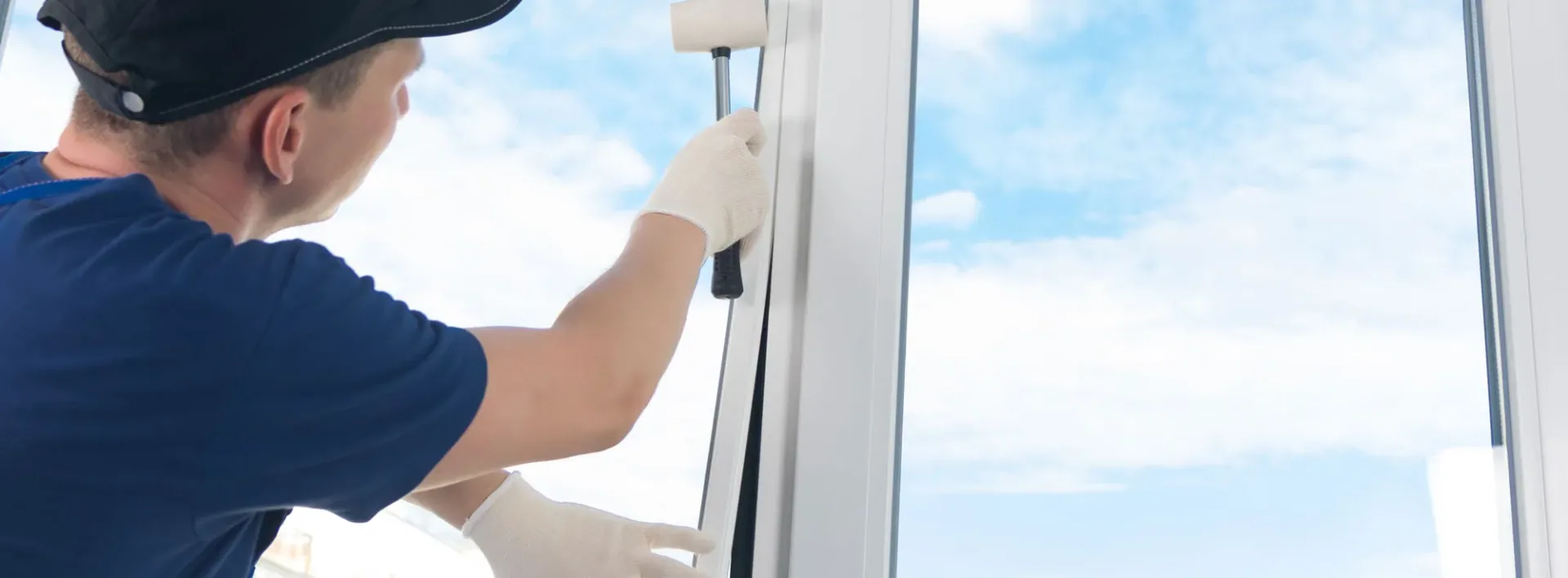
Every estimate starts with a hands-on inspection of the siding, trim and flashing. We check for hidden moisture behind the panels, look at the condition of the wall underneath, and examine the flashing around windows and doors. That inspection is what tells us whether a repair will last or whether the wall needs to be stripped and redone.
Choosing Materials If You Replace
If replacement is the right call, the next choice is the material. Vinyl siding is a budget-friendly, low-maintenance option with a wide range of colors and profiles. James Hardie fiber cement costs more upfront but is built to resist fire, moisture and the wood-boring insects common in this part of North Carolina, and it holds paint longer than most alternatives. We walk you through both based on your home's age, its exposure to weather and your long-term plans.
Get an Honest Answer About Your Siding
Omega Exteriors is a licensed and insured North Carolina contractor that has served the region since 2010, and a James Hardie Preferred Remodeler. Call (910) 476-4800 or request a free estimate, and we will tell you plainly whether your siding needs a repair or a replacement, with clear, upfront pricing either way.
Have a Question an Article Did Not Answer?
Every home is different, and the best answer comes from seeing yours in person. Call (910) 476-4800 or request a free on-site estimate, and our team will walk you through your options in plain language.